CBD is taken to take the edge off anxiety, racing thoughts before bed, the low-grade tension that doesn't need a prescription but doesn't fully switch off on its own. It's the non-intoxicating part of cannabis, so it won't get you high, and it's sold almost everywhere as oils, gummies, capsules, and drinks.
A lot of CBD's popularity runs on anecdote, and the experience most people describe is real but subtle: a mild sense of calm, slightly less reactive to stress, easier to wind down. It takes the heat out of a stressful moment rather than knocking you out, so you stay clear-headed and functional, just less wound up. People reach for it before things that make them tense (a presentation, a flight, a hard conversation) and at night when they can't stop their mind from running. It tends to do the most when you're actually stressed and very little when you're already relaxed, which is why some people swear by it and others feel nothing at all.
A lot of CBD's popularity runs on anecdote, and the experience most people describe is real but subtle: a mild sense of calm, slightly less reactive to stress, easier to wind down. It takes the heat out of a stressful moment rather than knocking you out, so you stay clear-headed and functional, just less wound up. People reach for it before things that make them tense (a presentation, a flight, a hard conversation) and at night when they can't stop their mind from running. It tends to do the most when you're actually stressed and very little when you're already relaxed, which is why some people swear by it and others feel nothing at all.
Deep-dive
How it actually works. CBD barely touches the cannabinoid receptors that THC hits. It doesn't sit in the main binding site of CB1 or CB2, which is why it isn't intoxicating, and instead acts more like a weak blocker or negative modulator at those receptors. Its calming and pain-dampening effects come from a different set of targets. The two with the most support are the serotonin 5-HT1A receptor and the TRPV1 channel, where CBD behaves as an agonist, the same 5-HT1A system that anti-anxiety and antidepressant drugs work through. On top of that, CBD slows the breakdown of anandamide, one of your body's own cannabis-like molecules, by inhibiting the FAAH enzyme, which lets your natural endocannabinoid tone build up. It also touches PPARγ, GPR55, and others. The short version: CBD nudges several calming systems gently rather than hitting one hard, which fits the subtle, non-knockout feel people report.
Anxiety: a narrow dose window. This is the best-studied consumer use, and it comes with a twist most product labels ignore. In a real-life public speaking test in 60 healthy men and women, a single 300 mg dose of CBD reduced anxiety, while 100 mg and 900 mg did not, and 300 mg performed comparably to the benzodiazepine clonazepam without the sedation. A separate simulated public speaking study found the same inverted-U shape: 300 mg worked, but 150 mg and 600 mg did nothing. So CBD's anxiolytic effect isn't "more is better," it's a window, and that window (around 300 mg in a single sitting) is roughly ten times what's in a typical gummy. Worth noting that not every study replicates the effect, so treat anxiety relief as likely-but-not-guaranteed rather than a sure thing. For reliable everyday anxiety support, 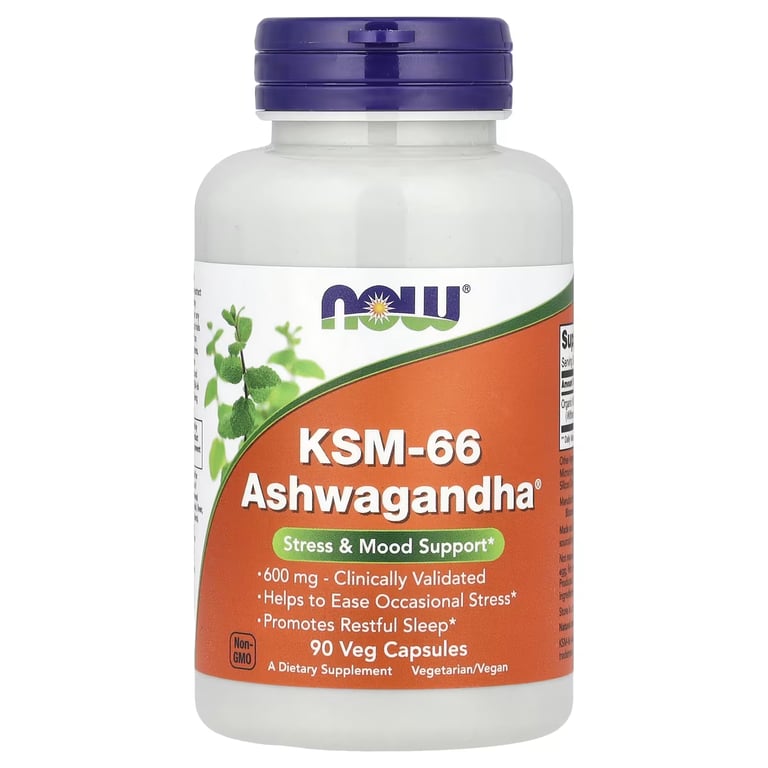 Ashwagandha and
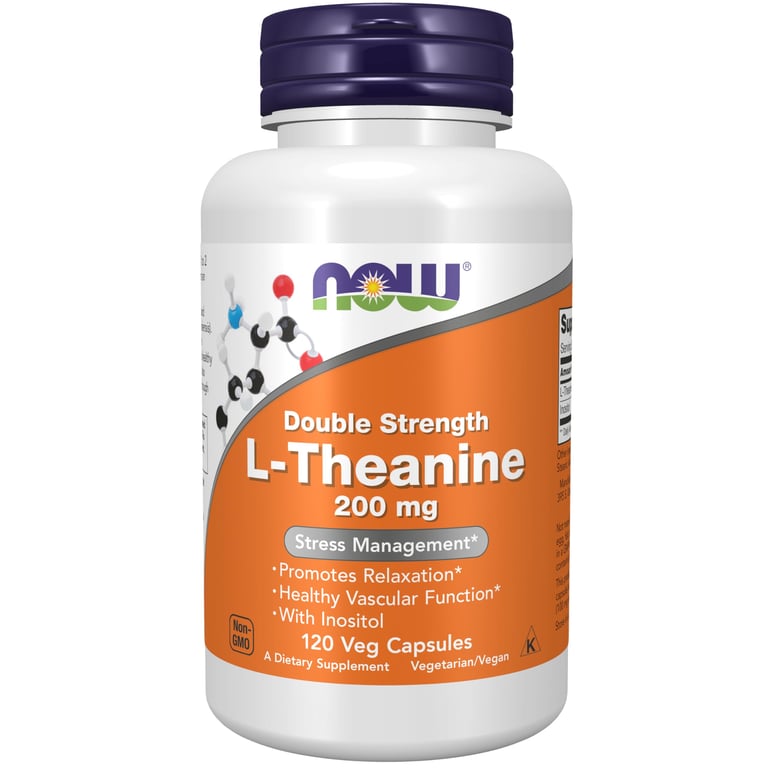 L-Theanine have more consistent data, and
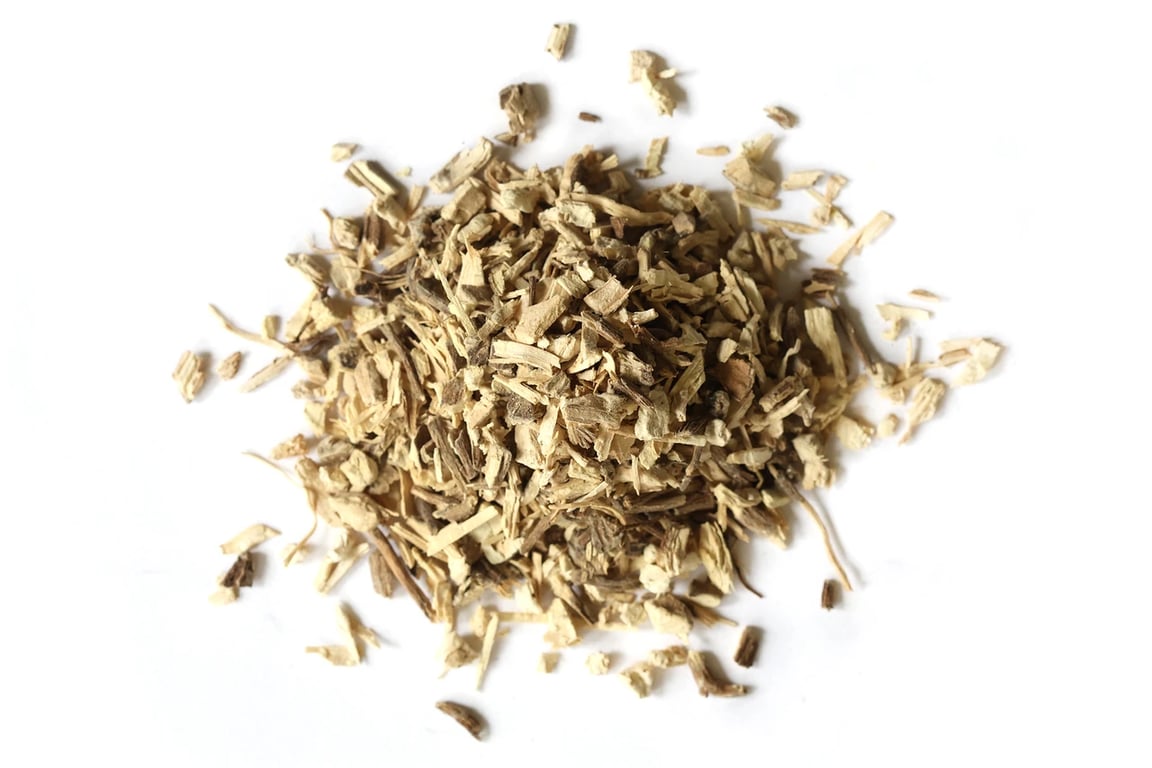 Kava is a stronger acute option. Unlike
 Benzodiazepines (alprazolam, clonazepam, diazepam, lorazepam), CBD isn't sedating and isn't habit-forming, which is its main practical advantage.
Sleep. The evidence is softer here. In a large retrospective case series of 72 psychiatric patients, anxiety scores dropped in most patients within the first month and stayed down, but sleep scores improved at first and then fluctuated over time. Because it was open-label and uncontrolled, it's weak evidence. The honest read is that CBD often helps sleep indirectly by calming anxiety rather than acting as a direct sedative, so if your sleep problem is a racing mind it may help, and if it's something else it may not. For a more direct sleep tool, 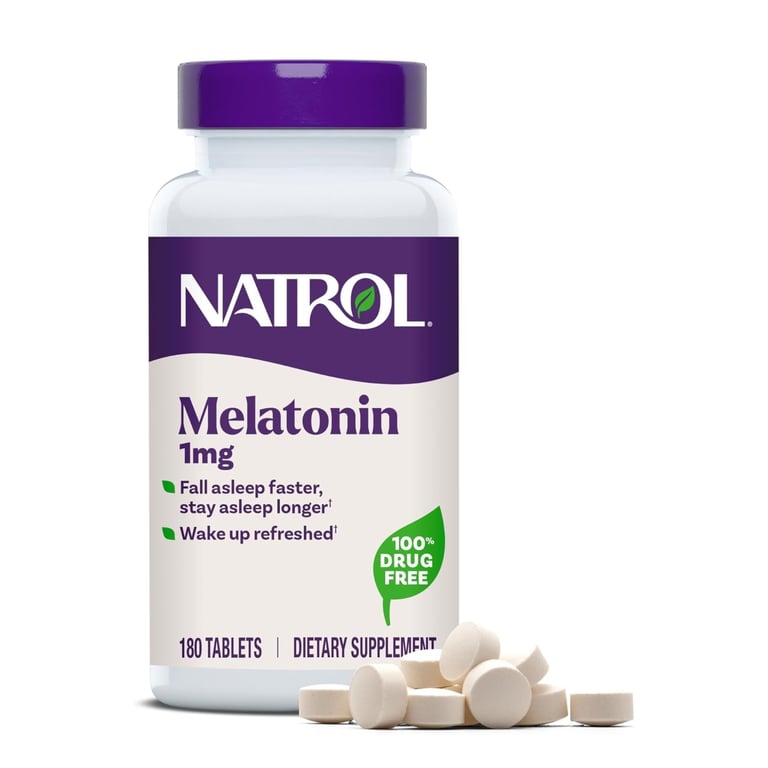 Melatonin and
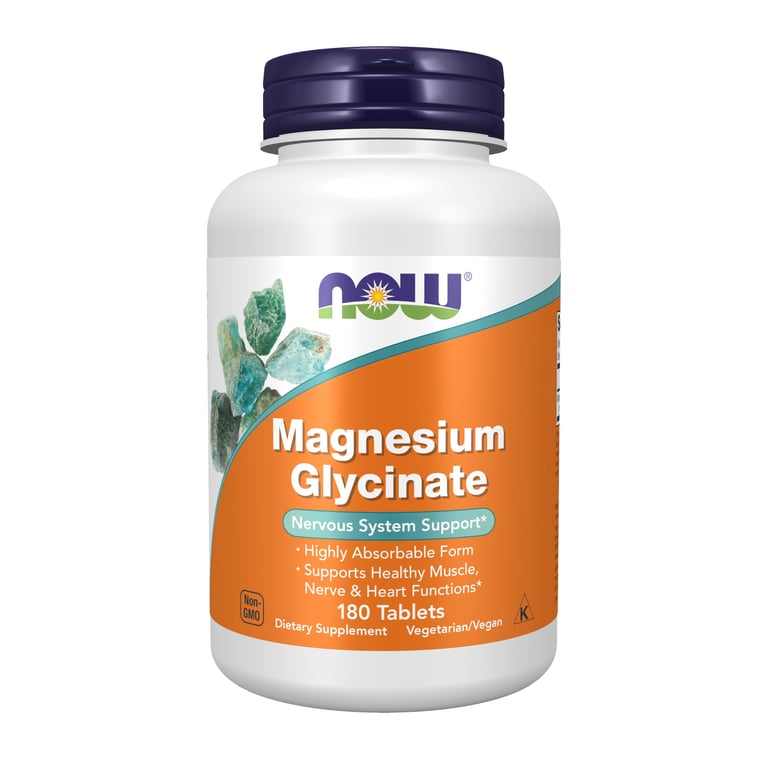 Magnesium are better starting points.
Pain and inflammation. This is where the hype outruns the data for CBD on its own. A systematic review of CBD for chronic pain found only limited and mixed evidence, with most decent trials using CBD combined with THC rather than CBD alone. The clearer pain signal in the cannabis literature comes from THC-containing or THC:CBD products, not isolated CBD. CBD does have anti-inflammatory activity mechanistically, but at the doses in consumer products, don't expect it to work like a painkiller. For inflammation, 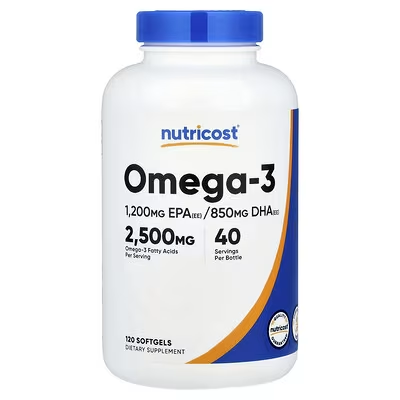 Omega-3 has better evidence; for neuropathic pain specifically,
 Pregabalin is far better supported.
Epilepsy: the one proven use. The reason CBD is taken seriously by regulators isn't anxiety or sleep, it's seizures. In a randomised controlled trial in 120 children with Dravet syndrome, 20 mg/kg/day of purified CBD cut convulsive seizures, with 43% of the CBD group achieving at least a 50% reduction versus 27% on placebo. This is what got prescription CBD (Epidiolex) approved. The catch for everyone else: these doses are enormous, often 700-1400 mg/day for an adult-sized patient, which is where the liver-enzyme and drug-interaction risks below actually show up. Consumer wellness doses are a tiny fraction of this.
Absorption: why dose and food matter so much. Swallowed CBD has terrible oral bioavailability, around 6% on an empty stomach, because most of it is destroyed on the first pass through the liver. Food, especially fat, changes this dramatically. In a crossover study in epilepsy patients, a high-fat meal raised total CBD exposure about 4-fold and peak levels about 14-fold versus fasting, and a controlled meal-composition trial found a high-fat meal increased exposure roughly 4-5x, a low-fat meal about 2.7x, and whole milk about 2.4x. Practically, the same labelled dose can mean wildly different real doses depending on whether you took it with food. Onset is slow for swallowed forms (peak around 2.5-5 hours), faster for oils held under the tongue. Half-life is long (roughly 1-2 days with repeated use), so daily dosing accumulates.
Full-spectrum, broad-spectrum, or isolate. Full-spectrum contains trace THC plus other cannabinoids and terpenes; broad-spectrum strips out the THC; isolate is pure CBD. Some people find full-spectrum slightly more effective (the "entourage" idea), but it carries a real drug-test risk and, at high doses, enough THC to be felt. If you're drug-tested at work, use isolate or broad-spectrum.
Women. Most early dosing work was done in men. The classic inverted-U dose study used 57 healthy males, so the famous "300 mg sweet spot" wasn't established in women specifically. Where both sexes were included, CBD looks similar: the real-life public speaking study used 60 men and women, and a pharmacokinetic study in men and women found the same large food effect in both. This matters because the conditions CBD is bought for (anxiety, insomnia, chronic pain) are more common in women, yet the targeted research lags. There's no established sex-specific dose, but body size drives blood levels more than sex does, so a smaller person reaches higher concentrations from the same milligrams and should start lower. One thing to know: CBD inhibits CYP3A4, the same liver enzyme that clears some hormonal contraceptives, so a theoretical interaction exists, though contraceptive failure hasn't been demonstrated. Pregnancy and breastfeeding are a hard no, covered below.
Older adults. Start low. Liver and kidney clearance decline with age, the same dose can produce higher levels, and older adults are more likely to be on prescription medications that CBD can interfere with, which is the main risk rather than CBD itself.
What the evidence doesn't show. Despite the marketing, controlled human evidence is solid only for rare epilepsy. For anxiety it's promising but inconsistent and dose-finicky; for sleep and pain it's weak or mixed at consumer doses. The compound is genuinely low-risk, but a lot of what's sold is underdosed, mislabelled, or both. Treat it as a mild, well-tolerated calming aid worth trying, not a proven treatment for most of what it's marketed for.
Dosage:
- Start low: 10-25 mg once daily for a week to gauge tolerance and any effect. This is where most consumer products land, and it's a reasonable starting point even though it's below research doses
- Acute, situational anxiety (a presentation, a stressful event): the research-backed protocol is a single dose of around 300 mg taken 60-90 minutes beforehand. This is much higher than a gummy and is the clearest evidence we have. Going higher backfires, 600 and 900 mg did nothing in the same tests where 300 mg worked
- Daily/ongoing use (general anxiety, stress, sleep): most people settle around 25-75 mg/day. Evidence here is thinner, so titrate up slowly over weeks rather than jumping
- Always take it with food, ideally something with fat. A fatty meal raises absorption roughly 4-5x versus an empty stomach, so the same labelled dose can be a fraction of the real dose when fasted. Be consistent (always with food, or always without) so your dose stays predictable
- Sublingual oils held under the tongue for 60-90 seconds act faster (onset ~15-30 min) and dodge some first-pass loss. Capsules and gummies are slower (~1-2 hours) but easier to dose precisely. Pick based on whether you want an acute hit or steady background effect
- For sleep, take it 30-60 minutes before bed, and don't be surprised if it helps your anxiety more than your sleep
- Body size matters more than sex. A fixed dose produces higher blood levels in lighter people, so if you're smaller (this skews toward women, but it's about weight, not sex), start at the low end. There's no established male/female dose difference
- Buy only products with a current third-party certificate of analysis (COA) confirming the CBD content and showing THC within legal limits. Mislabelling is common, and trace THC can trigger a positive drug test
- Skip it in pregnancy and breastfeeding
Here's what you can expect:
Within 30-90 minutes (faster sublingually), most people who respond describe a mild, take-the-edge-off calm: less reactive to stress, quieter mental chatter, easier to relax. It is not sedating like a sleeping pill and not intoxicating like THC, so if you're waiting to obviously "feel something," you'll probably be underwhelmed, especially at low consumer doses. The effect is most noticeable when you're actually stressed, which lines up with the studies. Sleep benefits are hit or miss and often ride on the anxiety effect rather than being a direct knockout. For pain and inflammation, expect modest, gradual changes over weeks if anything. Responses vary a lot between people, and a meaningful minority feel nothing at all, usually because the dose was too low.
Side effects & risks:
- Diarrhoea and appetite or weight changes are the most common, especially at higher doses. Usually mild and dose-dependent
- Drowsiness and fatigue, particularly at higher doses or when stacked with alcohol or other sedatives
- Dry mouth
- Liver enzyme elevations are dose-related and showed up mainly at the high mg/kg doses used in epilepsy trials, most often alongside valproate. Uncommon at consumer doses, but real, which is why high-dose users should check liver markers
- Drug interactions are the main risk, not CBD toxicity. CBD inhibits CYP3A4 and CYP2C19, the liver enzymes that clear a large share of medications (similar in spirit to the grapefruit-juice effect). It can sharply raise levels of clobazam (N-desmethylclobazam rose 3-5x in children taking both), and there are reports of increased bleeding risk with warfarin. If you take prescription medication, especially blood thinners, anti-seizure drugs, or anything with a narrow safety margin, check interactions before starting
- Product quality. The consumer market is poorly regulated, products are routinely under- or over-dosed, and some contain more THC than the label claims. Buy tested product only
- THC and drug testing. Full-spectrum products contain trace THC that can accumulate and produce a positive test
- Pregnancy and breastfeeding: avoid. CBD crosses the placenta and appears in breast milk, and rodent studies show sex-specific effects on offspring development. Human safety data is lacking, so there's no safe established dose
- Overall it's well tolerated. A review of the clinical safety data found a good safety profile at the doses studied, with the practical risks being drug interactions and product quality rather than the compound itself
Sold as a food supplement or wellness product in many countries; legal status and permitted THC content vary by region. Prescription CBD (Epidiolex) is a separate, regulated product.
 Made with Bullet